
Achilles Problems
With expert care, tailored treatment, and early intervention, we’ll help you recover strength, restore movement, and get back to doing what you love.
Achilles tendon?
What is the Achilles tendon?
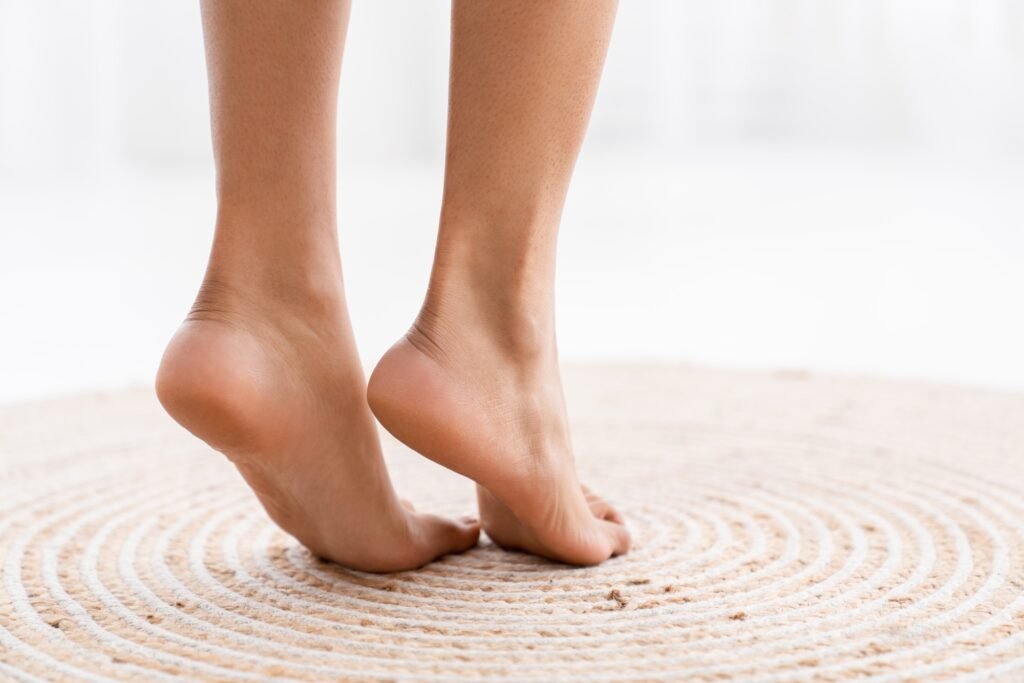
The Achilles tendon is the largest and one of the strongest tendons in the body. It connects your calf muscles (gastrocnemius and soleus) to your heel bone (calcaneus) and plays a vital role in daily movement. It’s used every time you walk, run, jump, stand on your toes, or climb stairs, allowing you to lift your heel and push off the ground with force and stability.
Although the Achilles tendon is built to withstand immense stress and impact, especially during high-intensity activities, it remains vulnerable to injury due to overuse, sudden increases in activity, poor footwear, or tight calf muscles.
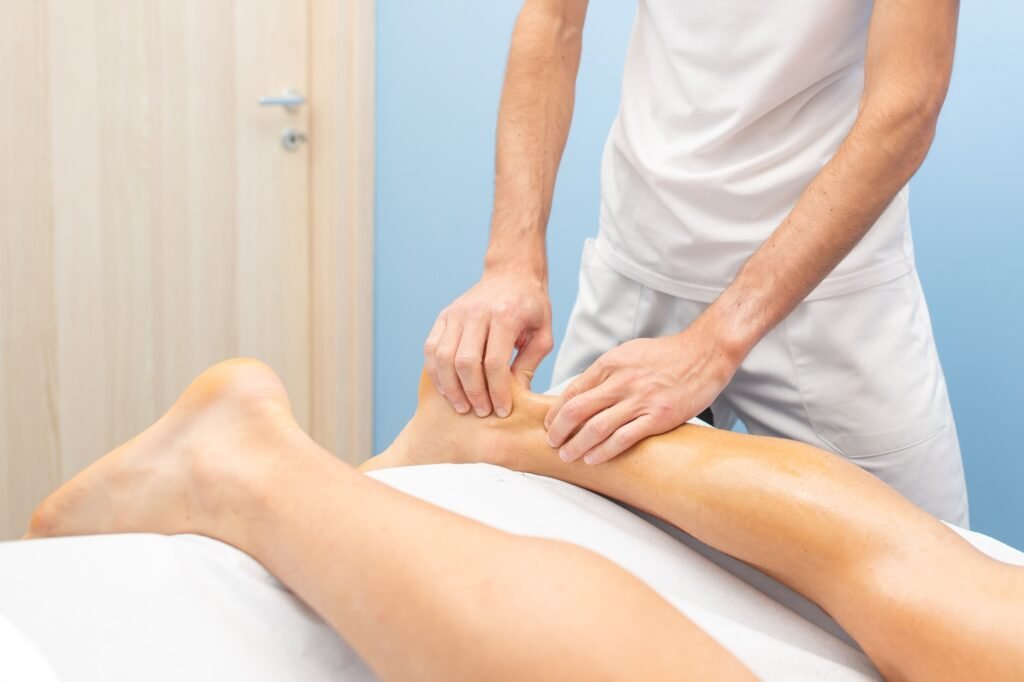
What conditions can affect the Achilles tendon?
Anterior Achilles tendon bursitis – walking, often in high-heeled shoes, inflames the bursa at the back of your heel.
Achilles Paratenonitis – overuse, repeated movements or poorly fitted shoes inflame the paratenon.
Achilles tendonitis – too much activity like running, walking or sports, causes your Achilles tendon to swell and become painful.
Achilles tendonosis – overuse or ageing gradually causes your tendon to degenerate, resulting in thickening due to scar tissue.
Achilles tendon rupture – running uphill, jumping or quickly changing speed or direction can tear the Achilles tendon completely or partially
Posterior Achilles tendon bursitis – extra strain on the Achilles tendon (from injuries to the heel or diseases such as rheumatoid arthritis or gout) inflames the bursa